Explore the spices, herbs, and local ingredients that shape Javanese cuisine. Discover how traditional markets and home gardens connect with everyday cooking traditions in Java.
What gives traditional Javanese food its distinctive aroma and flavor? The answer often begins long before the cooking starts. It begins with choosing fresh ingredients, appreciating the fragrance of spices, and understanding how different flavors work together.
Across Java, cooking is closely connected to traditional markets, home gardens, seasonal produce, and recipes passed down through generations. Discovering these ingredients is one of the most interesting ways to understand Indonesian food culture.
Essential Spices in Javanese Cooking
Indonesia is known for its rich variety of spices, which are used in countless traditional dishes. The following ingredients are commonly found in Javanese kitchens.
- Turmeric: Recognized by its golden-yellow color and distinctive aroma, turmeric is used in rice dishes, marinades, and traditional spice mixtures.
- Galangal: An aromatic rhizome that adds fragrance and depth to many Indonesian dishes.
- Ginger: Known for its warm, distinctive flavor, ginger is used in savory cooking as well as traditional drinks.
- Lemongrass: Its fresh citrus-like aroma makes it a familiar ingredient in soups, stews, and spice mixtures.
- Shallots and garlic: Two essential ingredients that form the foundation of many Indonesian spice pastes.
- Chilies: Available in different varieties, each offering its own level of heat, color, and flavor.
- Coriander and candlenut: Frequently used to add fragrance and character to traditional spice mixtures.
These ingredients are rarely used in isolation. Their combination creates the aromas and layers of flavor that characterize much of Indonesian home cooking.
Vegetables and Herbs: More Than Side Ingredients
Beyond spices, fresh vegetables and herbs also play an important role in everyday Javanese meals. Leafy greens, beans, eggplants, and seasonal garden produce are commonly included in family dishes.
Some ingredients are purchased at traditional markets, while others may come from home gardens. Their availability depends on the season, location, household preferences, and the dishes being prepared.
This connection between markets and gardens is a practical part of everyday life. Not every ingredient needs to come from the same place.
Why Traditional Markets Are So Interesting
Traditional markets remain an important part of everyday life in many Indonesian communities. They are places where people select ingredients, compare the quality of vegetables, interact with vendors, and decide what to prepare for their meals.
For travelers, exploring a local market offers the opportunity to discover ingredients that may not be familiar in their home countries. It also reveals the everyday relationships between sellers, shoppers, and local food traditions.
Walking through a market with a local guide can make the experience even more engaging. Ingredients that initially seem unfamiliar become easier to understand when someone explains their names, aromas, and uses in everyday cooking.
From Fresh Ingredients to Traditional Dishes
Preparing traditional food is about more than following a list of ingredients and measurements. It involves understanding preparation techniques, combining spices, adjusting flavors, and knowing when each ingredient should be added.
Grinding spices, chopping vegetables, preparing sambal, and blending seasonings are all part of the practical knowledge passed down through Javanese cooking traditions.
Recipes can also vary from one household to another. This diversity is what makes traditional cuisine so interesting: a familiar dish can have many different versions, each with its own character.
The Journey from Market and Garden to Table
Imagine not only reading about spices, but also seeing them at a local market, picking selected herbs from a garden, and using them to prepare traditional dishes yourself.
In Yogyakarta, this experience is brought together through the Local Market Tour and Mountain Cooking Class by Experience Java Tour.
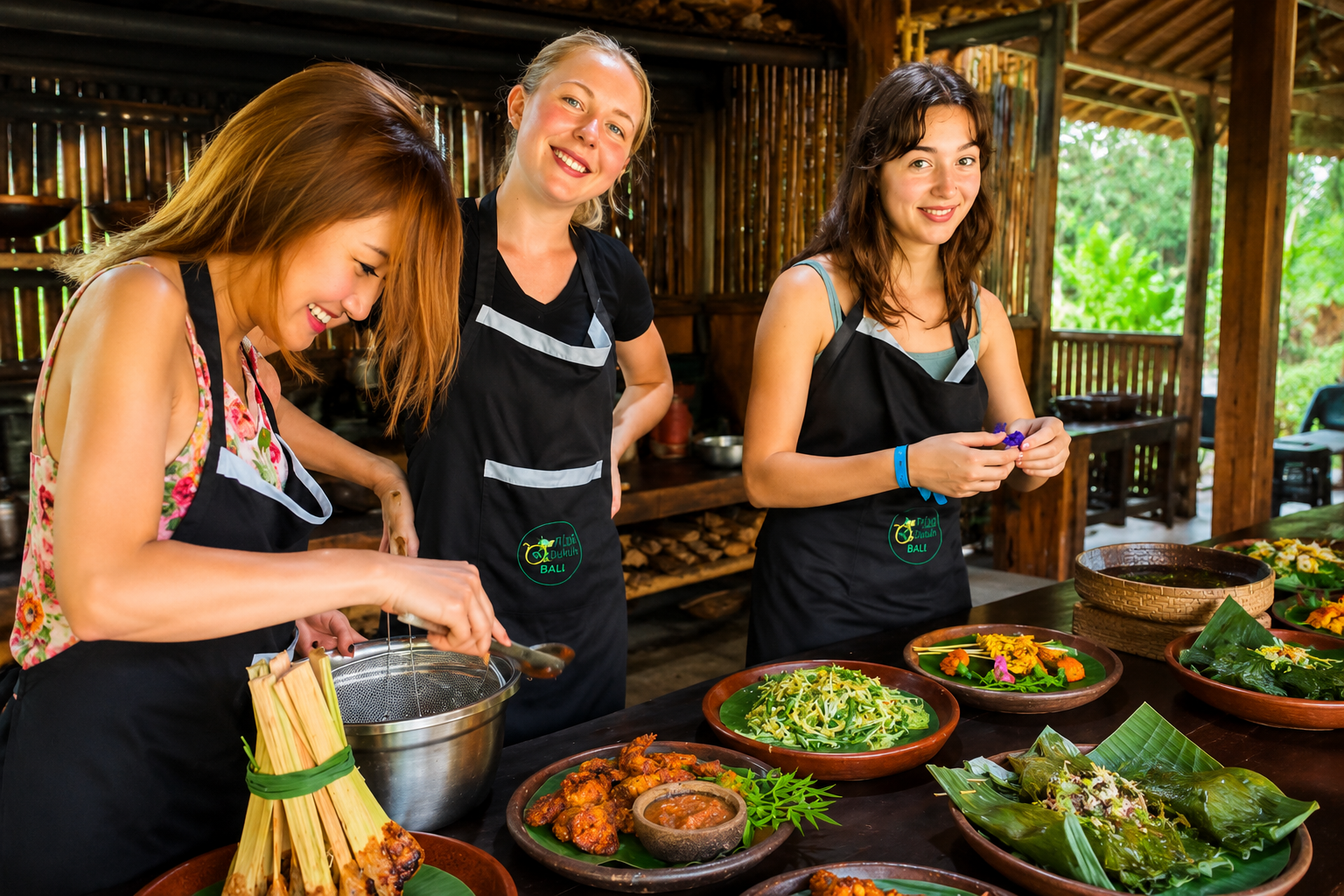
Guests discover local ingredients at a traditional market, gather selected herbs and seasonal produce from the garden, and prepare Javanese dishes alongside a local host in a traditional mountain joglo.
It is an opportunity to discover local ingredients, cooking techniques, and everyday food traditions through an enjoyable and interactive experience.
Discover the Flavors of Java for Yourself
If you are interested in learning more about Indonesian cuisine, there is no better way to begin than by preparing its ingredients yourself.
Visit Experience Java Tour to explore culinary experiences, cultural activities, and local journeys in Yogyakarta and across Java.
Would you like to know more about the ingredients, cooking activities, or available class schedules? Feel free to contact our local team through WhatsApp. We will be happy to answer your questions.
Experience Java. Discover the stories behind every ingredient.